
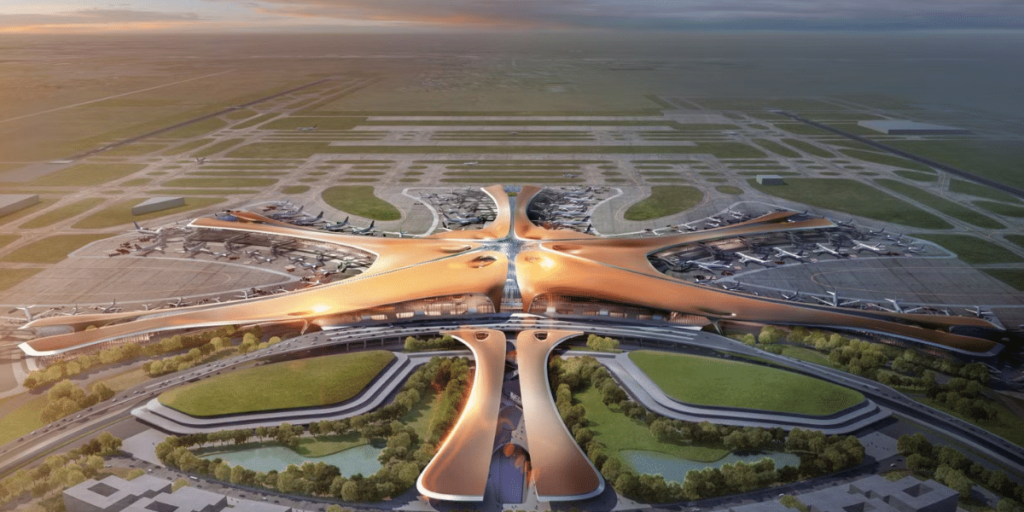
World’s Largest Airport: King Fahd International Airport
When people talk about the world’s largest airport, many assume it must be one of the busiest hubs like Atlanta or Beijing. However, the title of the world’s largest airport by land area belongs to King Fahd International Airport, located in Dammam, Saudi Arabia. This massive aviation facility is not just an airport but almost a small city in itself. In this article, we will explore its size, history, facilities, importance, and why it holds the world record.
What Is the World’s Largest Airport?

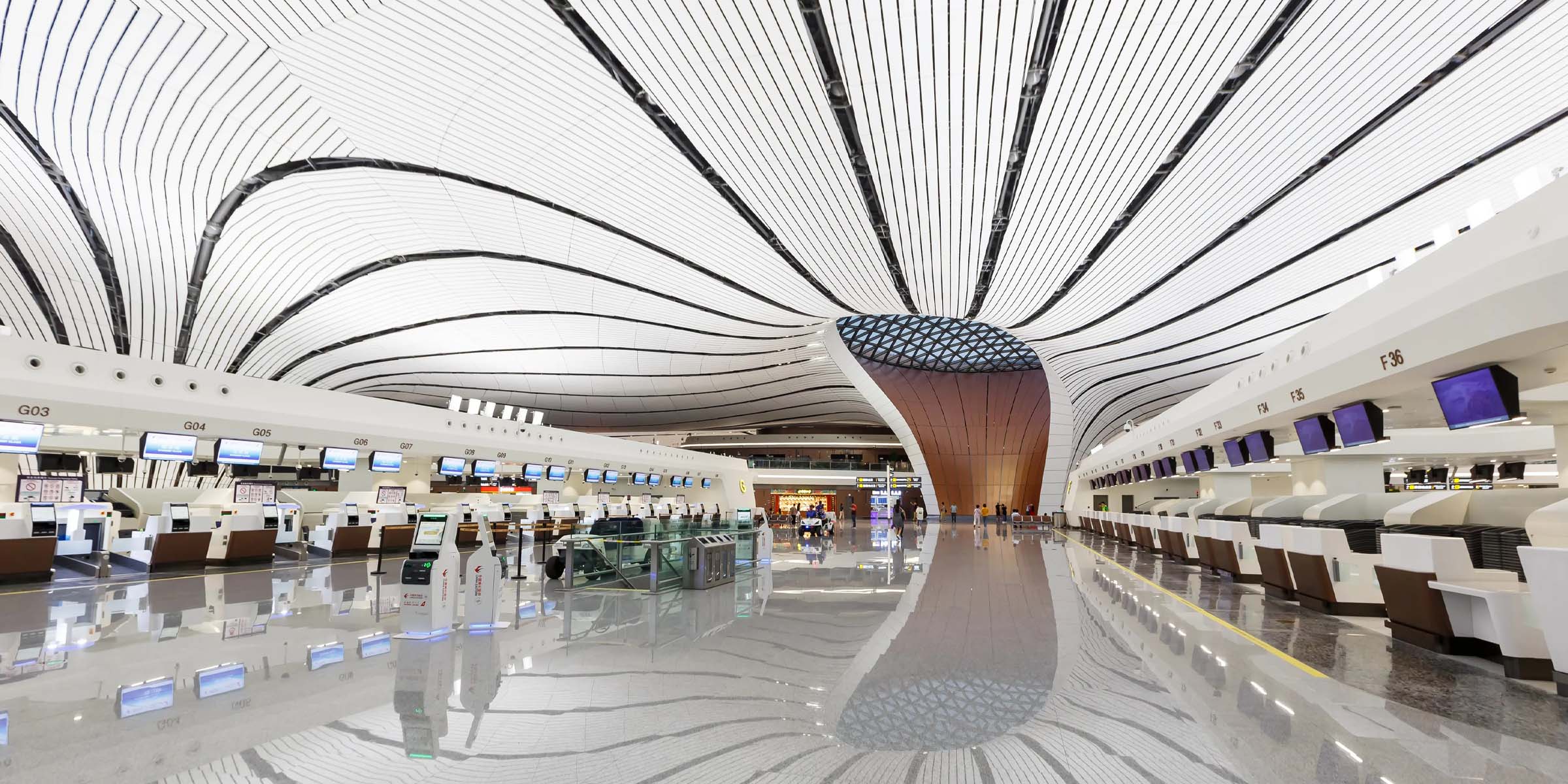
King Fahd International Airport (KFIA) is officially recognized as the largest airport in the world by total land area. It covers approximately 780 square kilometers, which is larger than some countries and cities. To put this into perspective, its area is bigger than Bahrain and almost the size of New York City.
While other airports may handle more passengers, no airport matches King Fahd International Airport in terms of sheer physical size.
Location and Background
King Fahd International Airport is situated about 31 kilometers northwest of Dammam, in Saudi Arabia’s Eastern Province. The airport is named after King Fahd, the former King of Saudi Arabia.
The airport officially began operations in 1999, although its construction started much earlier. Initially, parts of the airport were used for military and emergency purposes during the Gulf War. Later, it was developed into a full-scale international airport.
Record-Breaking Size and Area
The most remarkable feature of King Fahd International Airport is its unmatched land area:
-
Total area: ~780 sq km
-
Passenger terminal area: ~327,000 sq meters
-
Runways: Two parallel runways, each over 4,000 meters long
Despite its massive size, only a portion of the land is currently developed, leaving room for future expansion. This makes KFIA unique, as it is designed to handle long-term growth for decades to come.
Passenger Capacity and Operations
Although it is the largest airport by area, King Fahd International Airport is not the busiest airport in the world. It handles around 10–12 million passengers annually, which is significantly lower than airports like Hartsfield-Jackson Atlanta International Airport.
KFIA serves both domestic and international flights, connecting Saudi Arabia to major destinations across the Middle East, Asia, Europe, and Africa. It is an important hub for the Eastern Province, especially for business travelers connected to the oil and energy sector.
Facilities and Infrastructure
King Fahd International Airport offers modern and well-planned facilities, including:
-
A large passenger terminal with advanced security systems
-
Separate royal terminal for VIP and government use
-
A dedicated cargo terminal supporting international trade
-
A mosque within the airport complex that can accommodate thousands of worshippers
-
Extensive parking facilities and road connectivity
The airport also includes residential areas, green spaces, and service zones within its boundaries, which is rare for most airports worldwide.
Strategic and Economic Importance
The airport plays a key role in Saudi Arabia’s economic and strategic planning. Located near the country’s oil-rich region, it supports logistics, cargo transport, and international business travel.
As part of Saudi Arabia’s long-term Vision 2030 development goals, King Fahd International Airport is expected to see modernization and expansion, potentially increasing passenger traffic and airline partnerships in the future.
Comparison with Other Major Airports
While King Fahd International Airport is the largest by area, other airports lead in different categories:
-
Busiest airport: Hartsfield-Jackson Atlanta International Airport
-
Largest terminal building: Beijing Daxing International Airport
-
Most international passengers: Dubai International Airport
Each airport excels in its own way, but none rival KFIA in land size.
Conclusion
King Fahd International Airport stands as a remarkable example of large-scale aviation planning. With its 780 square kilometers of land, it holds the undisputed title of the world’s largest airport by area. Although it may not yet be the busiest, its strategic location, modern infrastructure, and vast expansion potential make it one of the most important airports in the world.
As global air travel continues to grow, King Fahd International Airport is well-positioned to play an even bigger role in the future of international aviation.