
LPG Crisis in India: Causes, Impact, and Possible Solutions

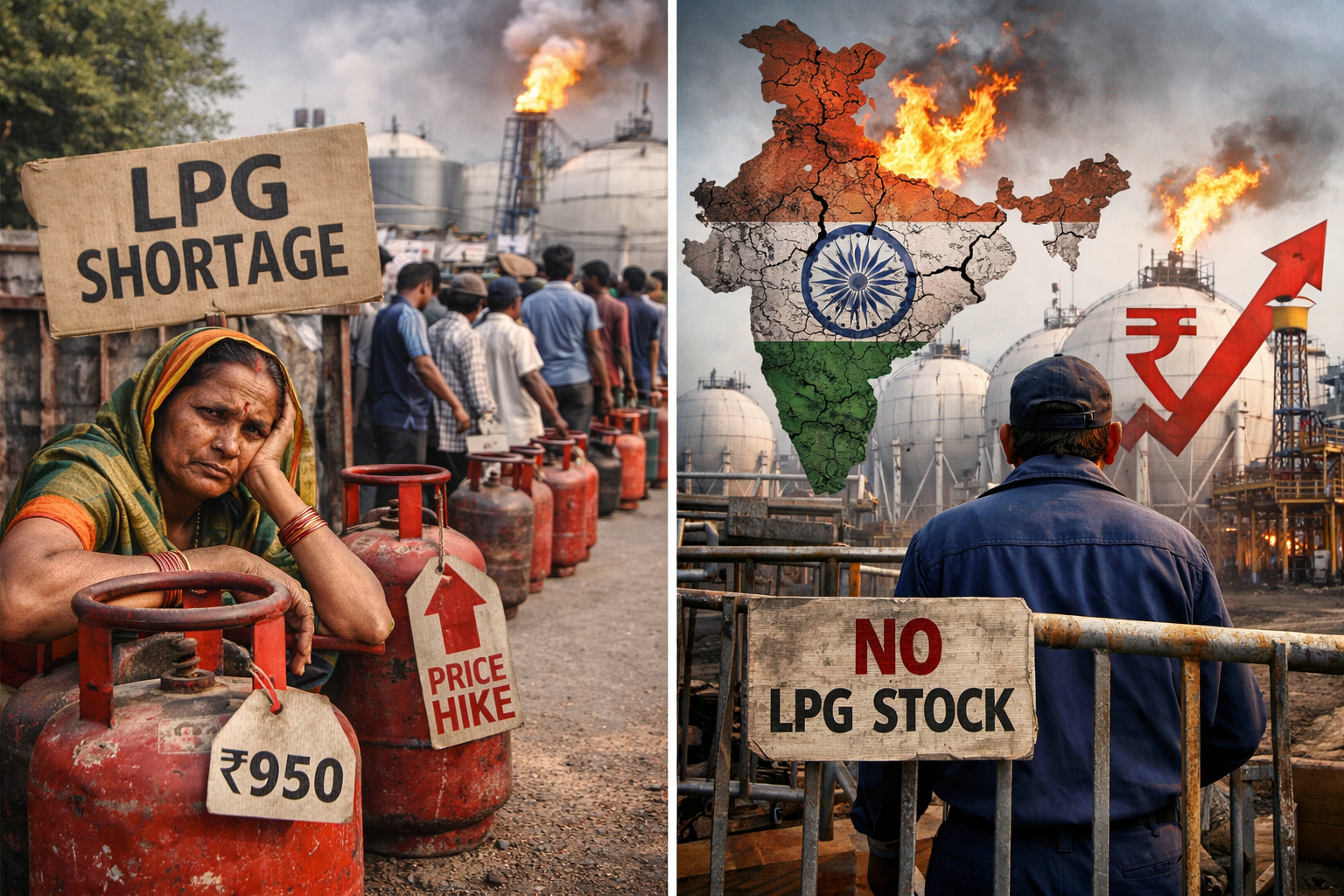
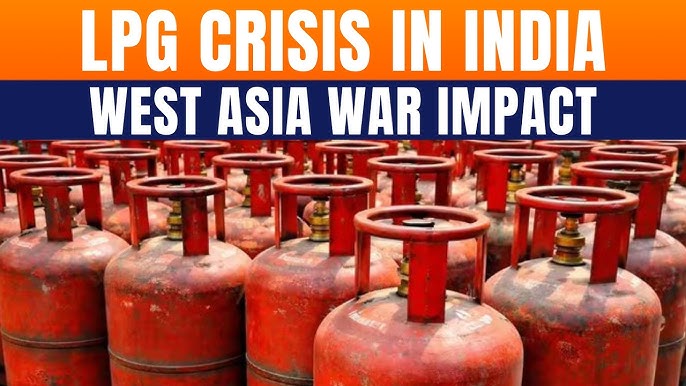
India has been facing growing concerns about an LPG crisis, affecting millions of households that rely on Liquefied Petroleum Gas (LPG) for cooking. LPG has become the primary cooking fuel in many Indian homes, especially after government initiatives such as the Pradhan Mantri Ujjwala Yojana, which aimed to provide free LPG connections to poor families. However, rising prices, supply challenges, and global energy disruptions have sparked discussions about a potential LPG crisis in the country.
What is LPG and Why It Is Important in India?
LPG (Liquefied Petroleum Gas) is a clean-burning fuel used widely for cooking, heating, and small industries. In India, LPG cylinders are a common sight in households across urban and rural areas. According to data from the Ministry of Petroleum and Natural Gas, over 30 crore LPG connections exist in the country.
LPG replaced traditional fuels like wood, coal, and kerosene because it produces less smoke and is safer for indoor cooking. The government’s push toward clean cooking fuel significantly increased LPG consumption in the last decade.
Reasons Behind the LPG Crisis in India
Several factors contribute to the ongoing LPG supply and price challenges.
1. Rising Global Energy Prices
India imports a large portion of its LPG. Any increase in international fuel prices directly impacts domestic LPG prices. Global conflicts, supply chain disruptions, and geopolitical tensions have caused energy markets to fluctuate.
For example, the Organization of the Petroleum Exporting Countries plays a major role in controlling crude oil production, which indirectly affects LPG prices worldwide.
2. High Import Dependency
India imports nearly 60% of its LPG requirement. This heavy reliance on foreign supply makes the country vulnerable to international market changes. If shipping routes are disrupted or exporting countries reduce production, India may face shortages.
3. Subsidy Reduction
Earlier, LPG cylinders were heavily subsidized by the government. Over time, subsidies have been reduced for many consumers. As a result, the price of LPG cylinders has increased significantly, making it difficult for low-income families to afford refills.
4. Increasing Domestic Demand
The success of schemes like Pradhan Mantri Ujjwala Yojana increased LPG access across rural India. While this improved clean energy usage, it also increased the demand for LPG cylinders nationwide.
Impact of the LPG Crisis
The LPG crisis has several social and economic consequences.
Household Burden
Rising LPG cylinder prices have become a major financial burden for middle-class and low-income families. Many households are forced to limit their LPG usage or switch back to traditional fuels.
Rural Challenges
In rural areas, some families with LPG connections struggle to afford regular cylinder refills. As a result, they may return to firewood or biomass, which can cause health problems due to indoor air pollution.
Inflation and Economic Pressure
Higher LPG prices also contribute to overall inflation. Restaurants, food vendors, and small businesses that rely on LPG may increase prices, affecting consumers.
Government Response to the LPG Situation
The Indian government has taken several steps to manage LPG supply and control prices.
One of the key initiatives is providing subsidies for specific groups under the Pradhan Mantri Ujjwala Yojana, ensuring that poor households can afford cooking gas. The government also works with oil marketing companies such as Indian Oil Corporation, Bharat Petroleum, and Hindustan Petroleum to maintain stable LPG distribution.
Additionally, India is exploring ways to increase domestic production and diversify energy imports to reduce dependence on a few countries.
Possible Long-Term Solutions
To prevent future LPG crises, experts suggest several strategies.
First, increasing domestic LPG production could reduce reliance on imports. Second, expanding alternative energy solutions such as biogas and electric cooking systems could help diversify cooking fuel options.
Promoting renewable energy and investing in energy infrastructure will also help India become less vulnerable to global fuel market fluctuations.
Conclusion
The LPG crisis in India is a complex issue influenced by global energy prices, import dependence, and rising domestic demand. While government programs have expanded LPG access, maintaining affordable and reliable supply remains a challenge.
To ensure long-term energy security, India must balance subsidies, increase domestic production, and promote alternative clean cooking fuels. With the right policies and investments, the country can overcome LPG supply challenges while continuing its transition toward cleaner energy.