

Lowest Gas Prices in USA: Where Fuel Is Cheapest & What Drivers Should Know
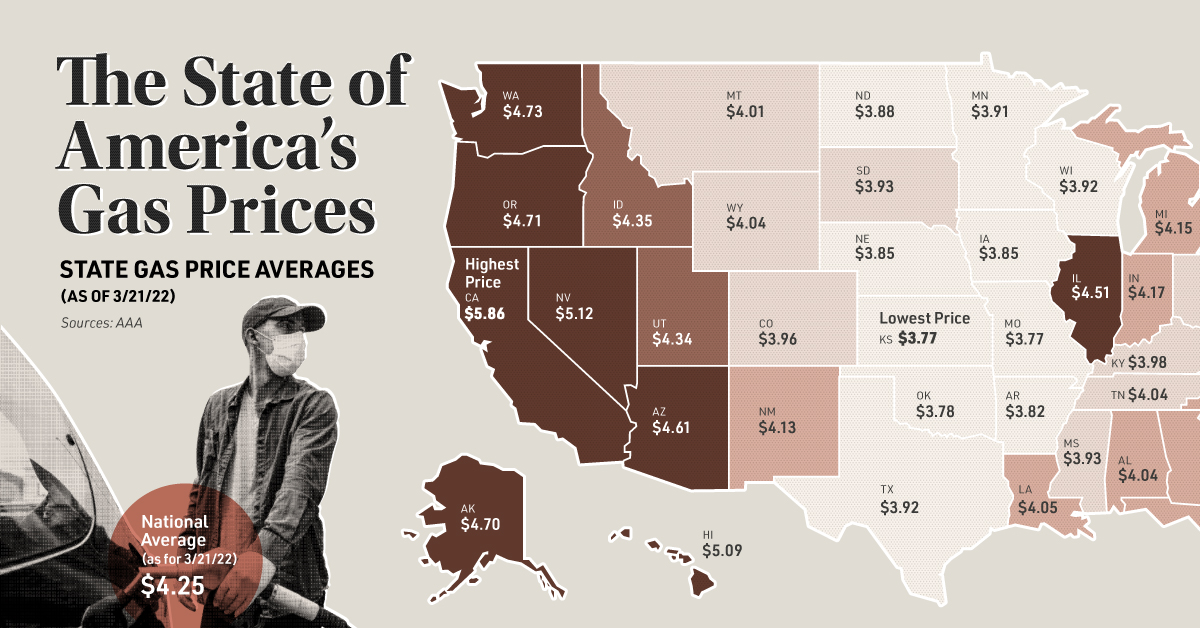
U.S. gas prices have tumbled to some of the lowest levels in years, providing relief for motorists across the country — but prices still vary widely from state to state. According to recent energy price data, states like Oklahoma, Arkansas and Mississippi now offer the lowest average gasoline costs in the United States, while places such as California and Hawaii remain among the most expensive.
In February 2026, the national average price for a gallon of regular gasoline hovered around $2.90–$2.92, near its lowest level in more than four years as reported by energy analysts and industry groups. This trending decline follows an extended period of falling crude oil prices and steady fuel supplies, easing the burden on U.S. drivers.
Top States with Lowest Gas Prices in the USA – February 2026
As of early 2026, the states with the cheapest gas prices are concentrated primarily in the South and Midwest, where taxes and transportation costs are comparatively low. According to data from AAA and price-tracking services:
| State | Avg. Price per Gallon |
|---|---|
| Oklahoma | ~$2.34 |
| Arkansas | ~$2.46 |
| Mississippi | ~$2.47 |
| Kansas | ~$2.48 |
| Louisiana | ~$2.50 |
| Source: AAA and LendingTree analysis |
Oklahoma consistently ranks as the U.S. state with the lowest gas price, around $2.34 per gallon — significantly below the national average. Factors contributing to Oklahoma’s lower fuel prices include its proximity to crude oil refineries, lower state fuel taxes, and an abundance of regional supply infrastructure.
States like Arkansas and Mississippi also benefit from similar cost advantages, including efficient distribution networks and less stringent environmental fuel requirements that can increase prices elsewhere.
Why Gas Prices Are Falling Nationwide
Several market forces have contributed to the ongoing price decline in 2025–2026:
1. Crude Oil Prices Eased
Lower international crude oil prices — driven by stable global supply and production increases — have eased wholesale gasoline costs. Although geopolitical events and pipeline disruptions occasionally spike local prices, overall trends remain downward.
2. Increased Refinery Output
U.S. refineries have maintained strong output, expanding gasoline availability and reducing bottlenecks that typically push pump prices higher. Analysts say consistent refinery operations are crucial to sustained lower gas prices.
3. Seasonal Demand Patterns
Winter and early spring often see reduced gasoline demand compared with summer driving seasons, helping keep average prices down. With softer demand and ample supply, many states saw prices slide below $3 per gallon — a threshold not widely seen since 2021.
4. Policy & Tax Differences
State fuel taxes and regulatory requirements play a big role. For example, states with higher fuel taxes and stricter emissions fuels — like California — consistently report higher pump prices, while states with lower taxes and simpler fuel standards enjoy cheaper gas prices.
States Still Facing Higher Pump Prices
While many states enjoy lower fuel costs, not all regions are seeing cheap gas:
-
California and Hawaii remain among the most expensive states for gasoline, with average prices above $4.40 per gallon in early 2026.
-
Some Pacific Northwest states like Washington and Oregon traditionally see higher prices due to tougher environmental fuel blends and higher distribution costs.
Even as the national average dips, these regional differences highlight ongoing economic and logistical influences on fuel pricing.
Impact on Consumers & Economy
Lower gas prices benefit millions of U.S. drivers by reducing daily commuting costs and travel expenses. For many households, cheaper gasoline means extra disposable income, which can be redirected to groceries, savings, or retail spending. Economists also note that lower energy costs help reduce headline inflation — a positive indicator for broader economic stability.
However, experts caution that gas prices can still fluctuate rapidly due to global oil markets, seasonal demand shifts, and unforeseen supply disruptions like pipeline issues or refinery outages. Reports from AAA and energy analysts suggest that while prices remain relatively low, short-term increases could occur if crude oil prices spike or supply chains are disrupted.
Final Takeaway
Today’s lowest gas prices in the USA offer a rare period of relief for American motorists, with several states posting historically low pump prices. For drivers planning travel or budgeting monthly expenses, understanding where and why gas prices are cheapest can help make smarter decisions — from choosing routes with affordable fuel stops to timing purchases on cheaper days. With sustained supply and manageable crude markets, experts expect relatively low gas prices to continue, but they remain sensitive to global energy trends and policy changes.